 Web design
- A small business site must say clearly what you do and where, and make calling or WhatsApping you easy.
- Mobile design, speed, real photos, reviews and a page per service build trust and rankings.
- Add a POPIA-aware privacy policy and make sure you own your domain and logins.
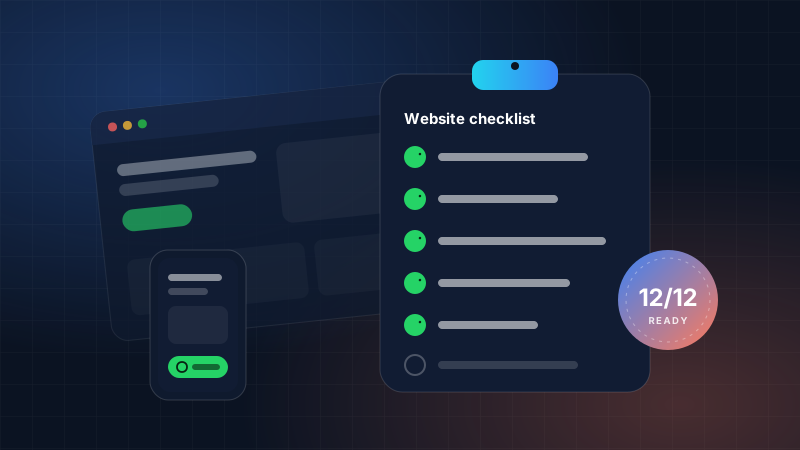
A website doesn't need to be fancy to work. It needs to answer a visitor's questions quickly and make it easy for them to get in touch. Go through this checklist with your own site open on your phone. Every "no" is something worth fixing.
1. A clear headline that says what you do
Within a few seconds, a visitor should know what you do and where. "Welcome to our website" tells them nothing. "Emergency plumbing in Durban North, 7 days a week" tells them everything.
2. Easy ways to contact you
Your phone number should be tappable, so it dials straight away on a phone. Add a WhatsApp button, because many South Africans would rather message than call. Put both at the top of the page and again at the bottom.
3. A design that works on phones
Most visitors will see your site on a phone first. Text should be readable without zooming, buttons should be easy to tap, and nothing should spill off the edge of the screen.
4. Fast loading
If your site takes more than a few seconds to load on mobile data, many people will leave before it appears. Compressed images and decent hosting go a long way.
5. A contact form that actually works
This sounds obvious, but broken contact forms are surprisingly common. Send yourself a test message every month and check that it arrives, including in your spam folder.
6. Your area and address
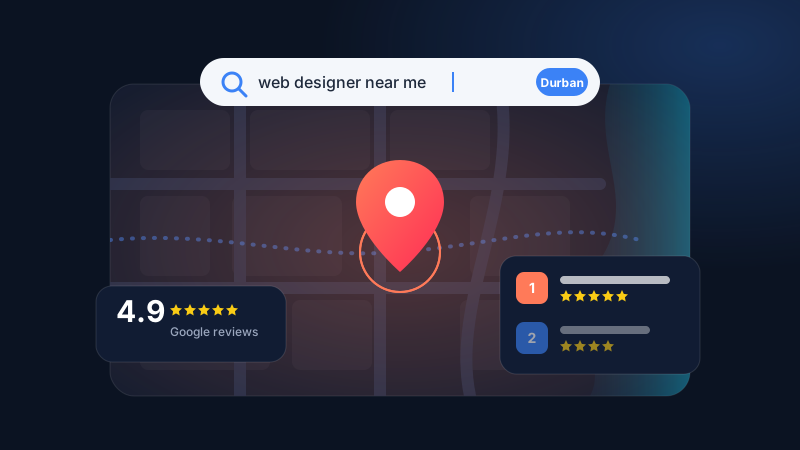
Show where you're based or which areas you serve. An embedded Google Map helps visitors and helps Google understand where you work.
7. Real photos
Stock photos of smiling models don't build trust. Photos of your actual team, premises, vehicles and finished work do. They don't need to be professional, just clear and well lit.
8. Reviews and proof
Show what customers say about you. Link to your Google reviews, add a few short testimonials with names, and mention any accreditations or associations you belong to.
9. A page for each main service
One page listing everything you do makes it hard for visitors and for Google. A separate page for each main service lets you explain it properly and gives you a better chance of ranking for it.
10. A privacy policy that covers POPIA
If your website collects personal information, even just names and emails through a contact form, the Protection of Personal Information Act (POPIA) applies. A clear privacy policy explaining what you collect and why is a sensible step. If you're unsure about your obligations, it's worth getting proper legal advice.
11. SSL security
Your website address should start with https and show a padlock. Browsers warn visitors about sites without SSL, which scares people away. Most hosts include a free certificate.
12. You own your domain and logins
Check who your domain is registered to. If it's in your web designer's name, ask them to transfer it to you. The same goes for hosting and Google accounts. If anything ever goes wrong with your supplier, you'll be glad you did.
How did your site do?
If you ticked everything, great. Your site has a solid foundation for SEO and advertising. If you found a few gaps, start with the contact options and mobile design, because those affect enquiries most directly.
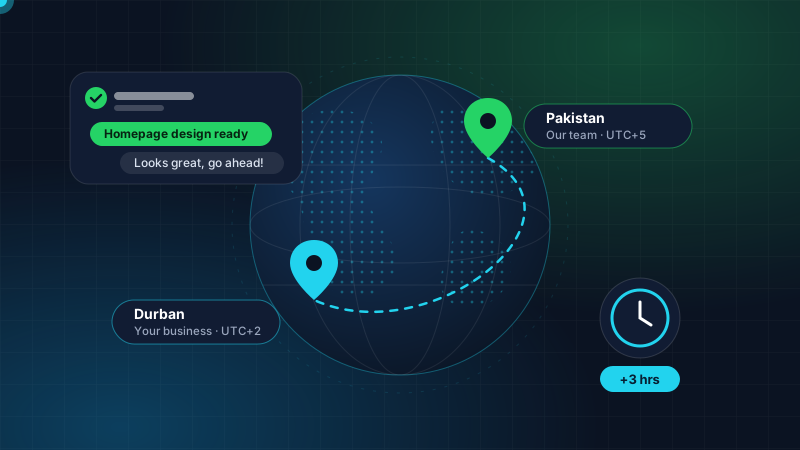
Every website our team builds covers all twelve points as standard. We're a remote team of designers in Pakistan working with businesses in Durban and across South Africa. If you'd like a free, honest review of your current site against this checklist, send us a WhatsApp.

Written by the Web Design Durban team
We're a remote team of expert freelance designers, developers and marketers based in Pakistan, working with businesses in Durban and across South Africa. We've been building websites for more than 10 years and have delivered over 300 projects. Low-cost rates, direct WhatsApp contact and no lock-in.
See our services